Gum Health
What Causes Gum Disease?
Gum disease starts with plaque buildup and can lead to serious oral health problems. Learn its causes, symptoms, and prevention strategies.
6
min read


“When it comes to oral health, early intervention is always easier, less invasive, and more affordable.”
Dental problems rarely appear overnight. In most cases, your mouth gives subtle warning signs long before a serious issue develops.
Unfortunately, many patients wait until pain becomes severe.
Understanding these early symptoms can protect your teeth, gums, and overall health.
Tooth pain lasting more than 48 hours is never normal.
It may indicate:
Pain that fades temporarily often returns stronger.
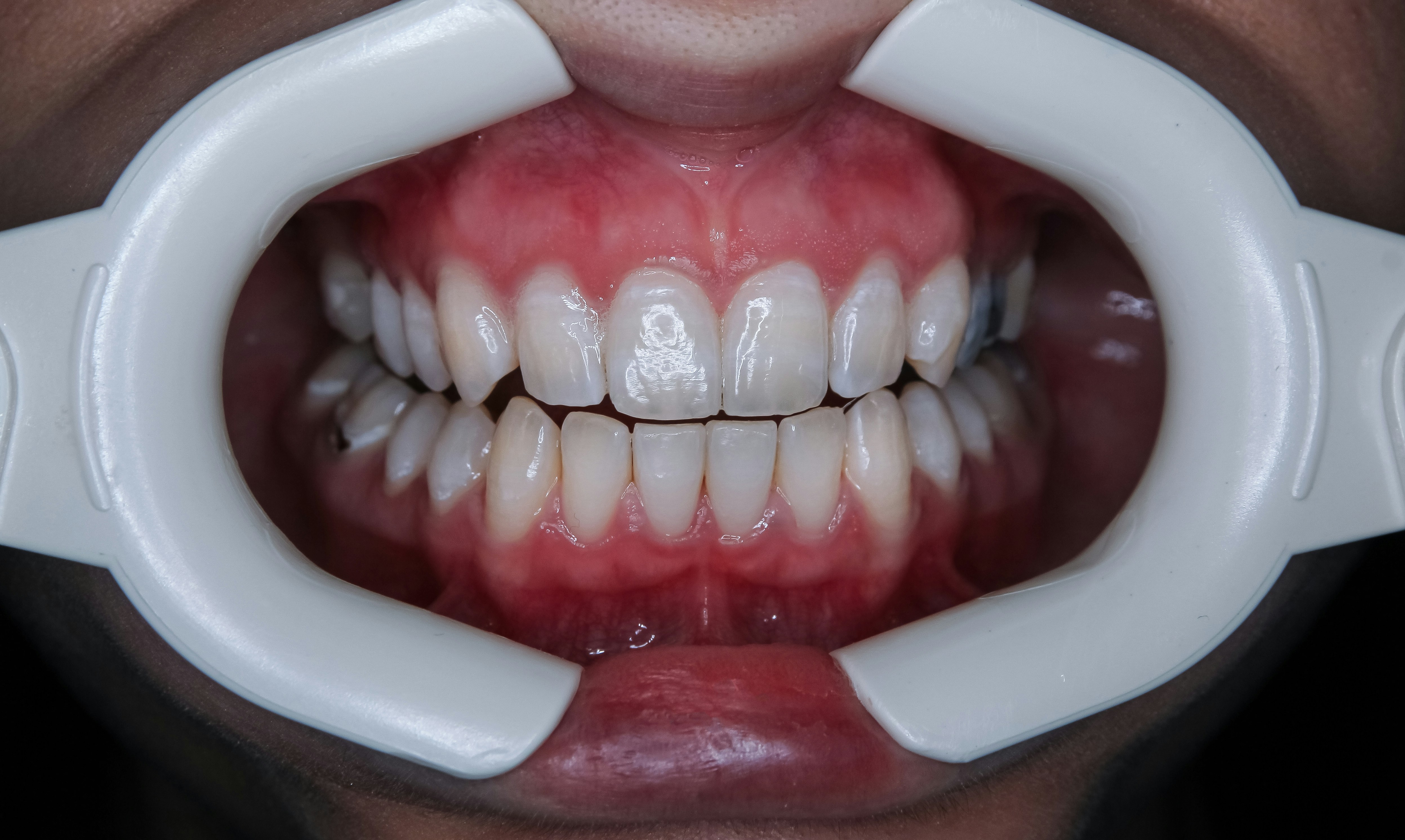
Healthy gums should not bleed during brushing or flossing.
Bleeding is often the first stage of gum disease (gingivitis). Left untreated, it can progress to periodontitis — a leading cause of adult tooth loss.
“Bleeding gums are not caused by brushing too hard — they’re usually a sign of inflammation.”
Persistent bad breath (halitosis) is commonly caused by bacteria trapped beneath the gumline.
If mouthwash only masks the odor temporarily, a professional cleaning may be needed.
Other signs you should never ignore:
Your mouth communicates when something is wrong. Listening early can prevent long-term damage.